The best medicine already exists. The infrastructure to deliver it is 15 years behind.
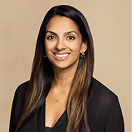
I was diagnosed with autoimmune Graves' Disease in 2022. My doctors at UCSF told me surgery was the only path forward. I wasn't ready to accept that. What finally helped was a physician who approached my case differently — deeper panels, data tracked over time, someone connecting the dots between my labs, my lifestyle, and my history. I went into remission without surgery, in just 8 months.
I couldn't stop thinking about why that kind of care was so hard to find, and how inevitably AI will change the ability for everyone to have access to more personalized care.
I'd spent six years at Meta building some of the most exciting products, from the Oculus Quest launch to the AI experiences for the Meta Ray-Ban smart glasses. I knew what AI could do when it was built with intention, and how healthcare was an area for AI to drive an outsized impact in the decade to come.
What I found when I looked closer
After leaving Meta, I spent the next year working closely with physicians to understand the picture from their side. I talked with hundreds of functional medicine doctors, longevity clinicians, and integrative practitioners. What I saw surprised me.
These were brilliant, deeply motivated clinicians who had left institutional medicine specifically to practice the kind of personalized, data-driven care I'd experienced as a patient. They knew exactly what good medicine looked like.
But they were drowning.
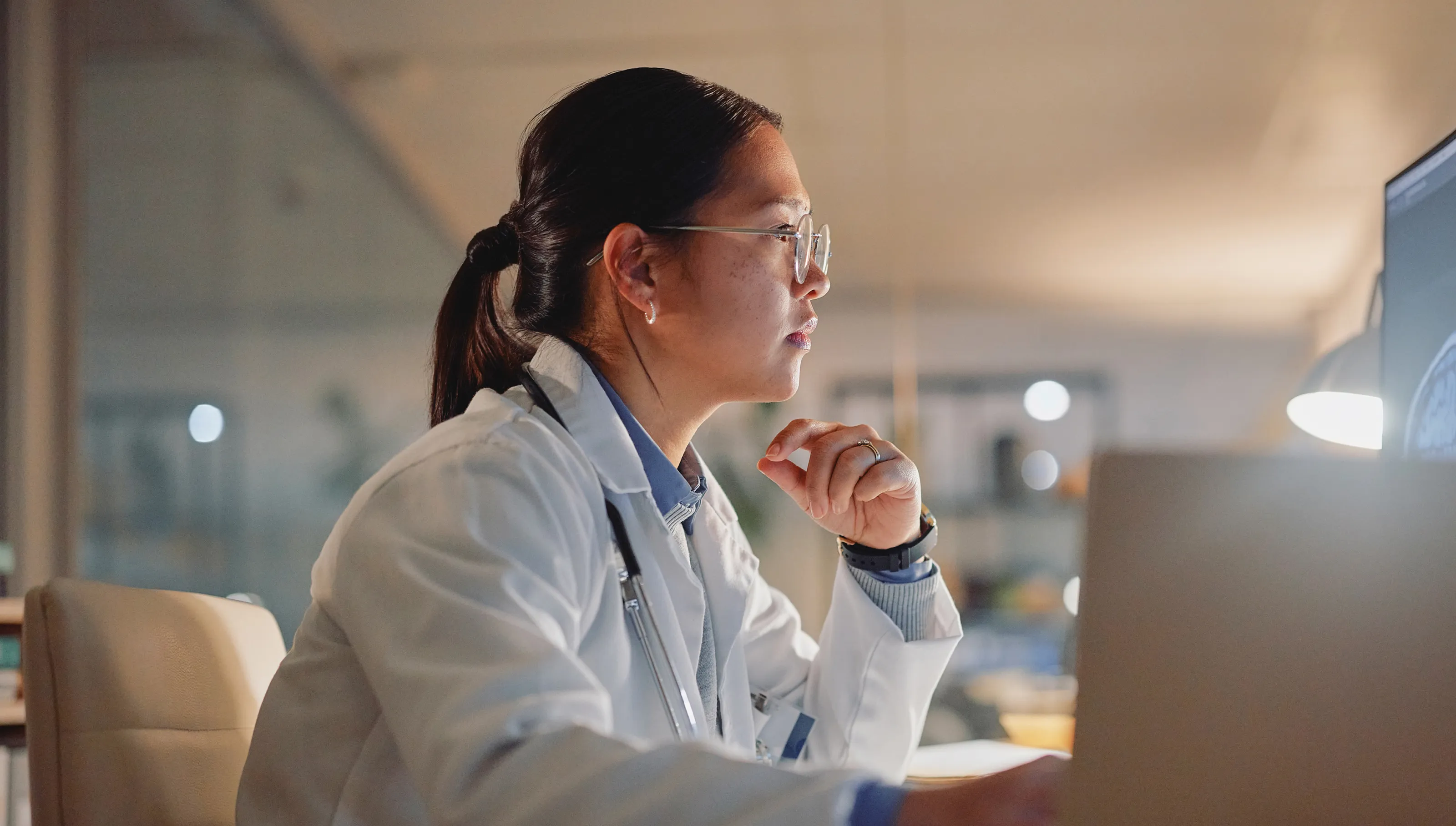
Their EHR was built for billing, not for the longitudinal, data-rich medicine they'd set out to practice. So they'd patched together five or more disconnected tools: a legacy EHR here, a data platform there, an AI scribe bolted on, a patient portal that didn't talk to any of it. One physician told me she spent 10 to 12 hours a week on admin. Another said he'd stopped taking notes during visits because managing five systems while being present with a patient had become impossible.
These doctors didn't start their practices to spend half the visit typing. They started them to spend more time with patients. The tools were the thing getting in the way.
Why this, why now
Something has shifted in how people think about their health. Patients are spending more out of pocket on wellness than ever before — the global wellness economy hit $6.8 trillion last year. Interest in longevity, functional medicine, and preventive care is intensifying across generations. DPC practices tripled among family physicians in a single year. And for the first time, DPC memberships are HSA-eligible, removing one of the biggest structural barriers to this model scaling.
The demand side has arrived. Patients want root-cause care, prevention, and physicians who actually know them. But the system still runs on a snapshot once a year and a fifteen-minute visit. The gap between what patients are seeking and what the infrastructure can support is widening fast.
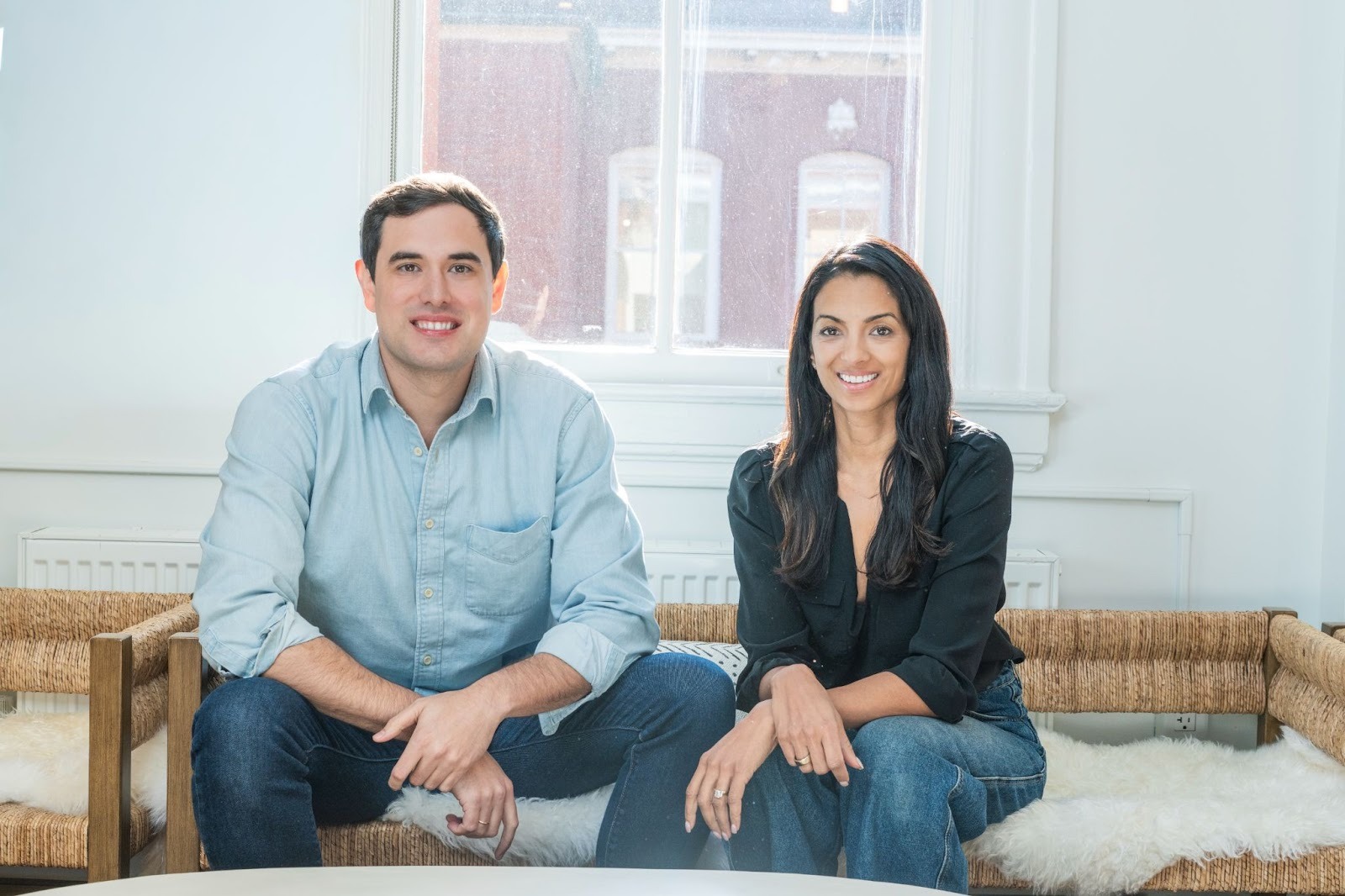
I met my co-founder Pedro Tabio at the right moment. Pedro had spent years inside healthcare infrastructure as an engineering lead, and he'd seen exactly how the tools failed clinicians and what it would take to rebuild from the ground up.
We didn't set out to build a better EHR. We set out to build the infrastructure that matches the medicine that patients are demanding and that these clinicians are already practicing. One platform where charting, labs, prescriptions, telehealth, and billing share the same system, with AI working in the background so the clinician can stay with the patient instead of the screen.
We called it Ultralight because that's what the technology in healthcare should feel like. It disappears, leaving more space for human relationships to flourish. The clinician is present. The patient is seen.
Where this goes
There's a movement happening in medicine right now that most people outside of it can't see yet. Thousands of clinicians are leaving institutional practice, not because they've given up on medicine, but because they've found a better way to practice it. They're building practices around prevention, around data, around actually knowing their patients.
What they don't have is infrastructure built for the medicine they're practicing. That's the gap. That's what Ultralight exists to close.
75 clinics are live on the platform today. We've never done paid acquisition. What's been most striking to me isn't just the growth — it's the community that's forming. Clinicians sharing workflows, building on each other's approaches, referring colleagues. There are thousands of practices waiting for something like this to exist. Many of them have already told us they're ready. That community is what I'm most proud of, and it's what makes me most excited for the future.
A future defined by proactive prevention and root-cause medicine, not the reactive sick care of yesterday. A future where clinicians help their patients live their healthiest lives—today.
— Sunita Mohanty, Co-Founder & CEO, Ultralight